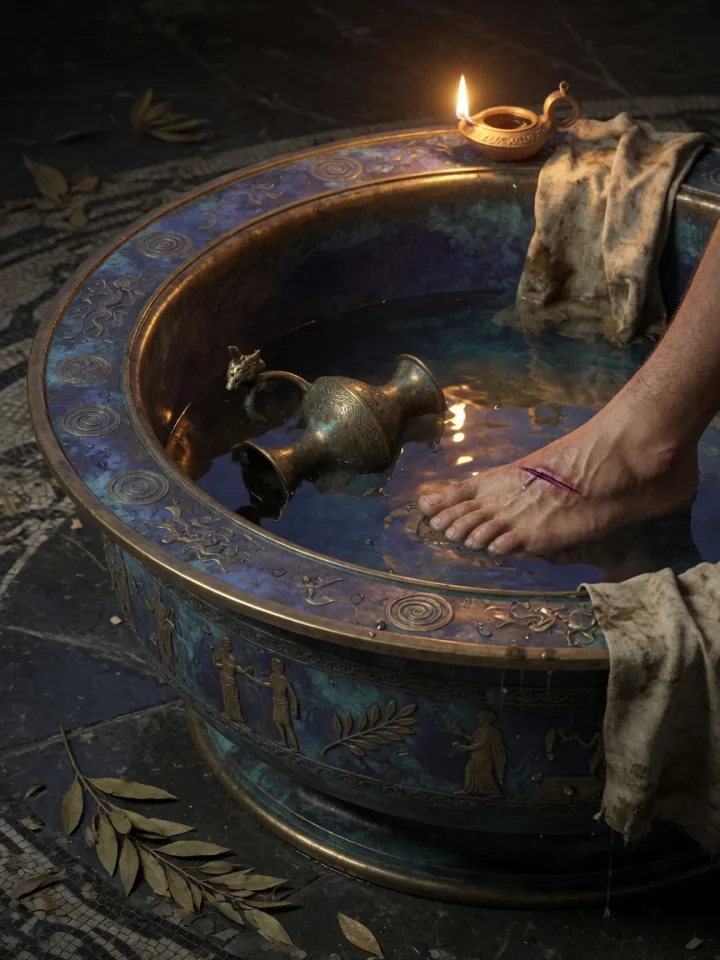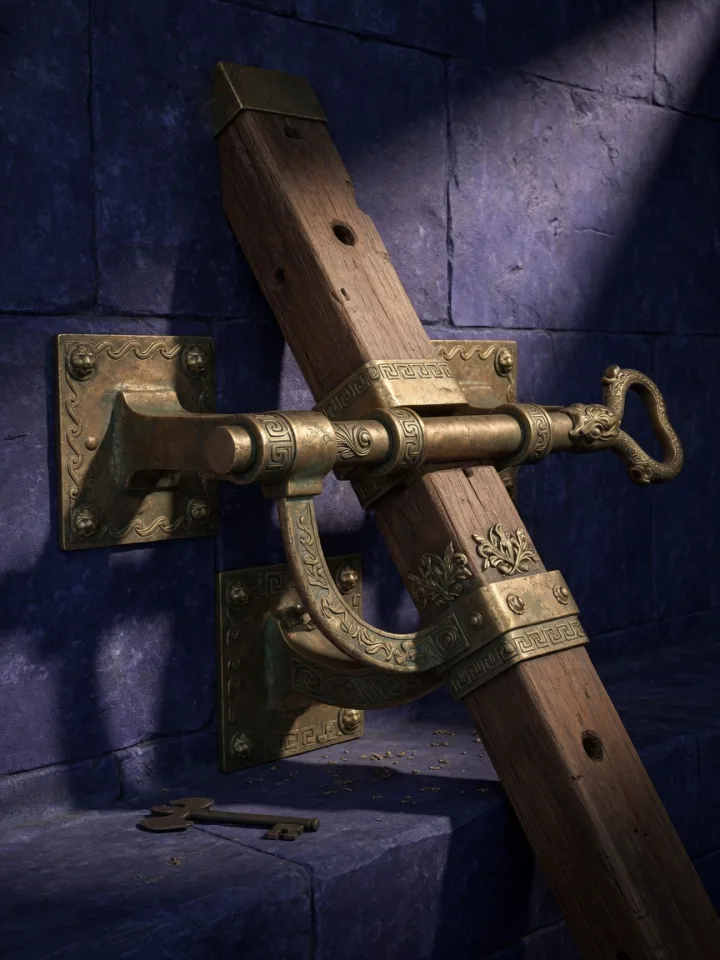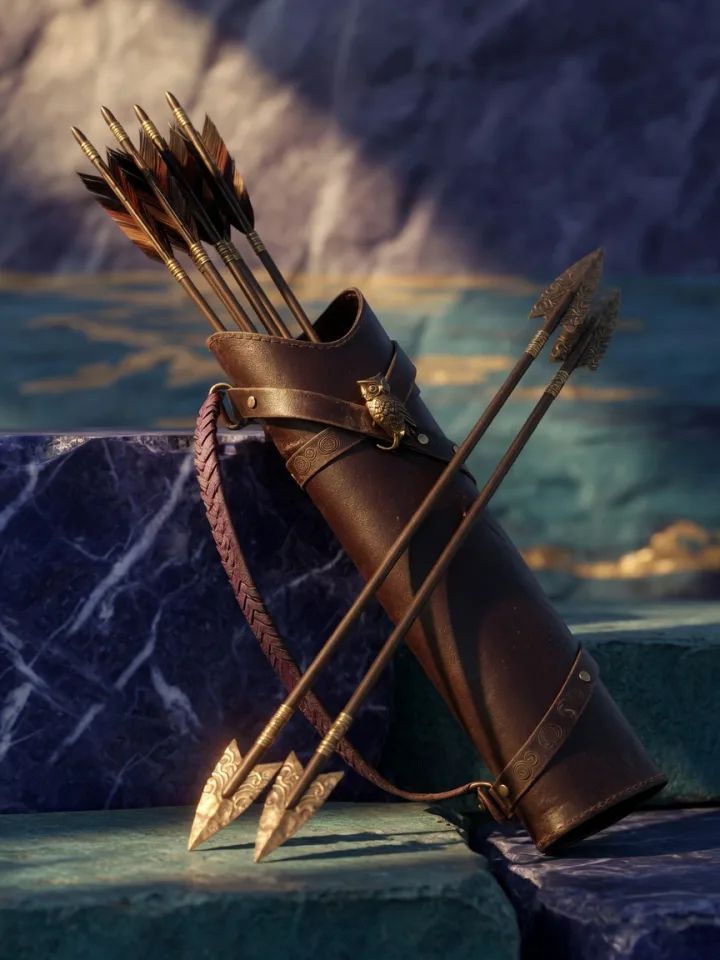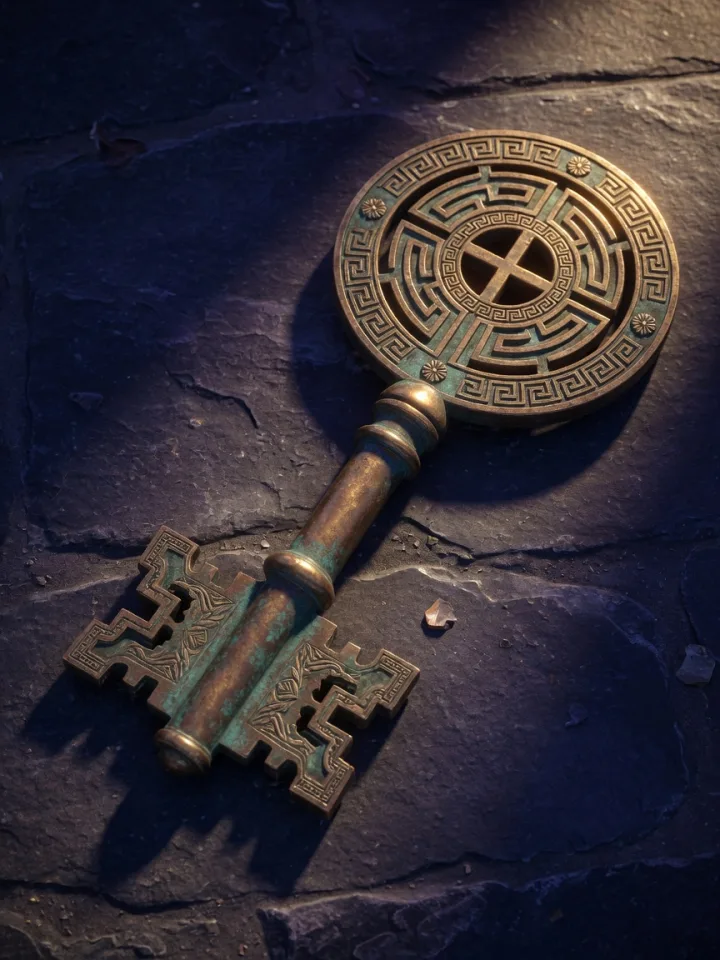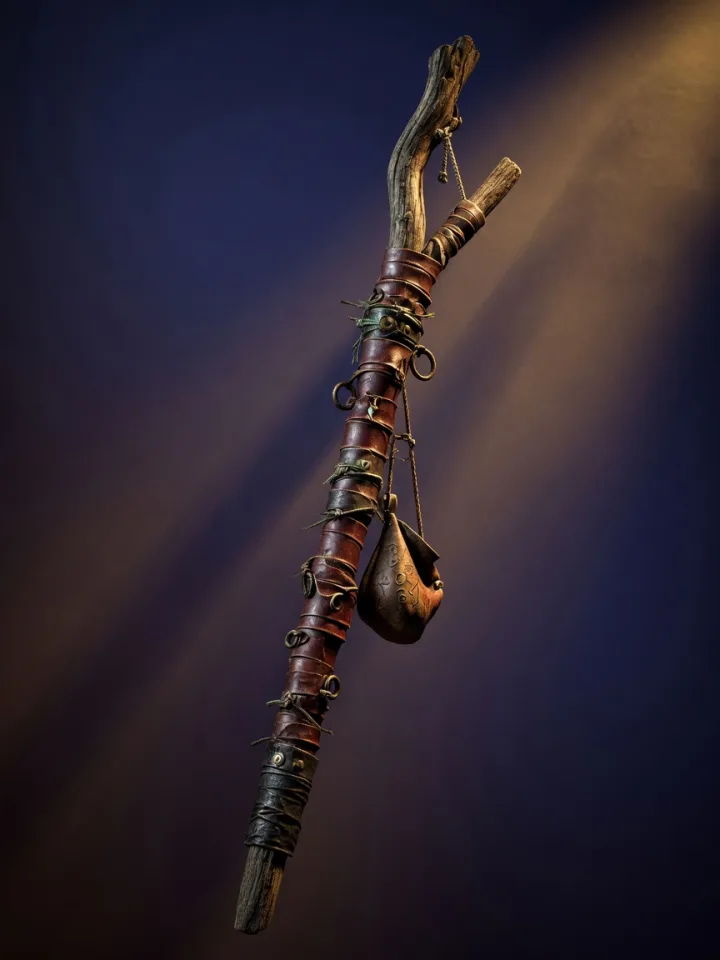
Front

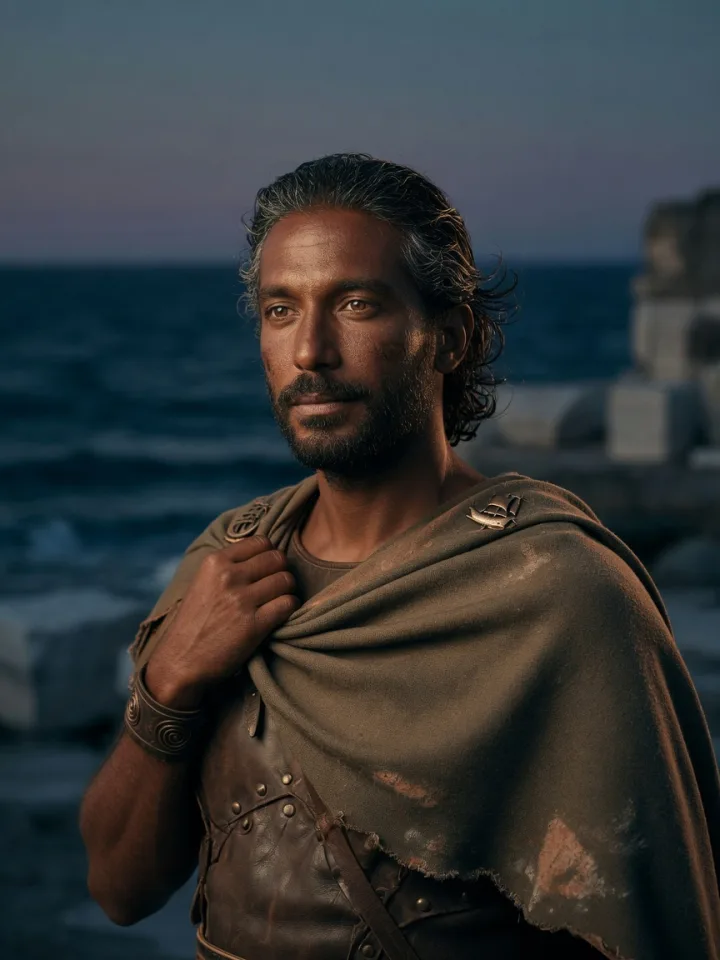
Odysseus
Ὀδυσσεύς · oh-DIS-ee-us
Man of many turns · Lord of Ithaca
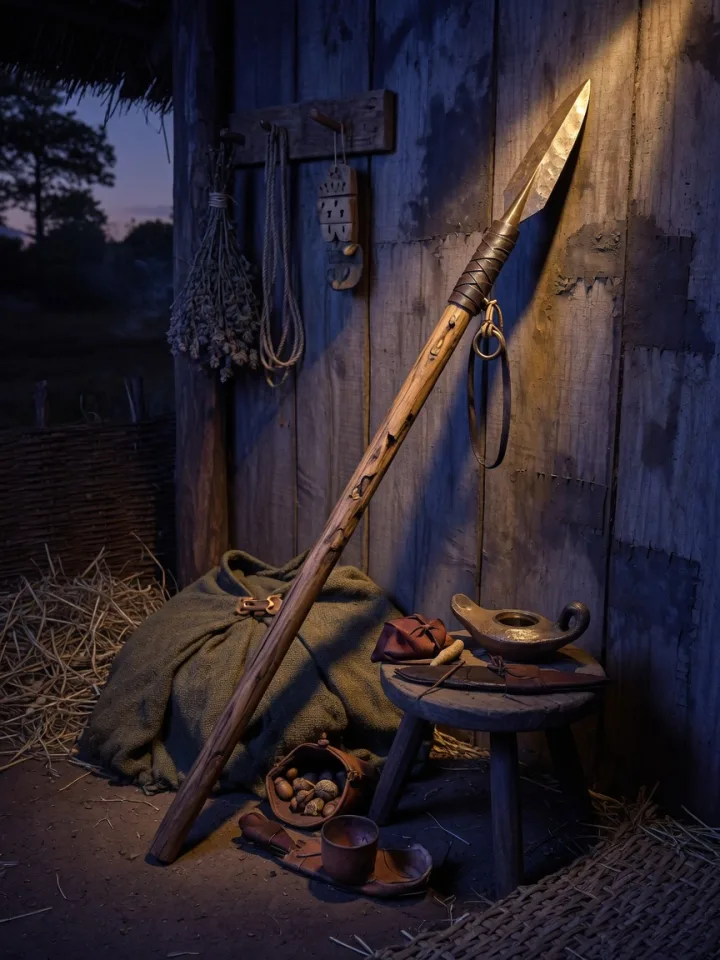
The man whose absence defines the hall. The audience already knows he lives and will return; the empty seat is his Book I body.
Card template · 3:4 · download/print later
Odyssey · Character card
Ὀδυσσεύς · oh-DIS-ee-us
Front / back · narrative-first · guest-open · print-ready structure
Edges on this card. The visit is the book.
Tell me, O Muse, of that ingenious hero who travelled far and wide after he had sacked the famous town of Troy. Book 1
The poem opens on Odysseus, not yet on the hall.
Front

Ὀδυσσεύς · oh-DIS-ee-us
Man of many turns · Lord of Ithaca
The man whose absence defines the hall. The audience already knows he lives and will return; the empty seat is his Book I body.
Card template · 3:4 · download/print later
Back
Ὀδυσσεύς · oh-DIS-ee-us
Man of many turns · Lord of Ithaca
The seat in the hall is empty, yet the house is still his. The poem has already told the audience what the suitors do not know: that the man of many turns still lives, favored by grey-eyed Athena, and that the long wandering will end at his own door. Telemachus grows toward the day he will stand with his father. Penelope holds the household against the suitors. The empty seat waits. Dual beggar/king card held — this is the lord form, not the beggar.
The hall: The lord is gone. Suitors devour the house. Telemachus has no sure word that his father still lives. The high seat is empty.
The audience: The poet has already named him living: favoured by Athena, wandering still, bound at last for his own door. He is not in this hall. The empty seat is his presence.
Resourceful Odysseus — the man of many turns, whose seat stands empty in his own hall.
Narrative-first · not a combat sheet · guest-open